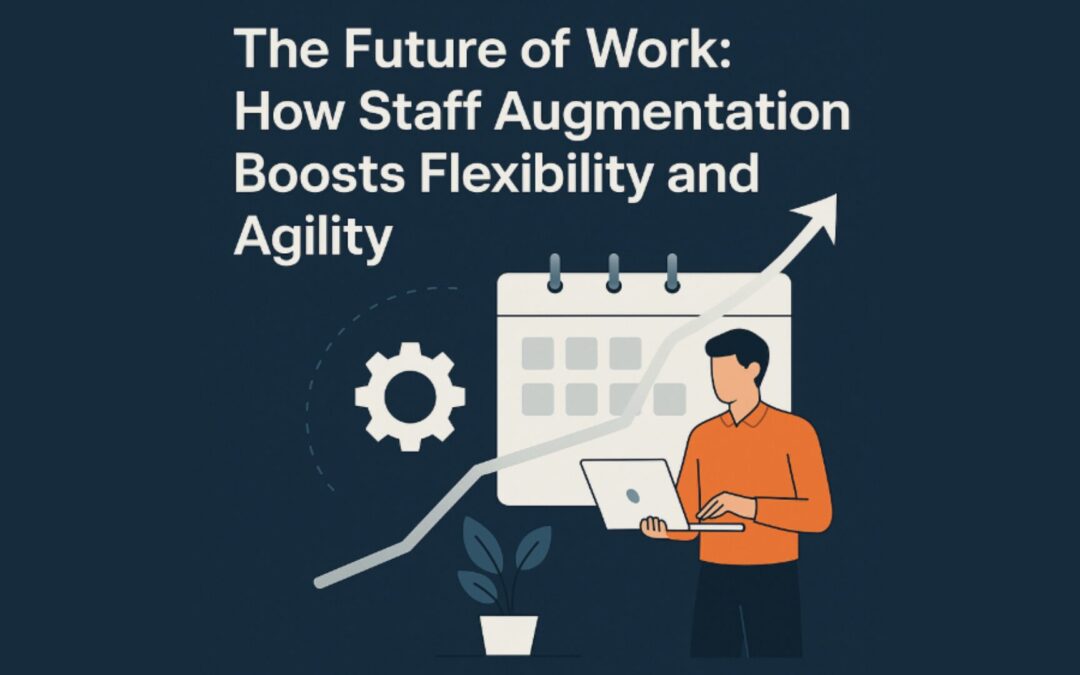
As the global workforce evolves, one thing is becoming increasingly clear: adaptability is key. Rapid technological advancements, shifting market demands, and unexpected disruptions like global pandemics have reshaped how businesses operate and manage talent. In this new era, organizations are turning to staff augmentation as a strategic way to enhance flexibility and stay agile in the face of change.
A Shift Toward a More Flexible Workforce
Gone are the days when long-term, in-house teams were the only way to drive projects forward. Today’s dynamic business environment requires companies to respond quickly to fluctuating workloads, emerging technologies, and specialized skill demands. Staff augmentation allows organizations to seamlessly scale teams up or down based on real-time needs—without the long timelines, overhead costs, or rigid commitments of traditional hiring.
This approach isn’t about replacing full-time roles; it’s about complementing them. It empowers internal teams by injecting specialized skills exactly when and where they’re needed, helping businesses maintain momentum without burning out their core staff.
Agility in Action
One of the standout benefits of staff augmentation is speed to execution. Whether you’re deploying a new cloud-based solution, exploring AI-driven applications, or navigating complex compliance requirements, having access to on-demand expertise can dramatically reduce lead time and improve outcomes.
This agility is especially crucial for sectors like IT, where technologies and frameworks evolve rapidly. Organizations that rely solely on in-house capabilities often struggle to keep pace. Staff augmentation bridges that gap, enabling faster adoption of innovation while minimizing operational risk.
A Strategic Advantage for Businesses
When done right, staff augmentation becomes more than a hiring tactic—it becomes a strategic advantage. With the ability to tap into global talent pools, companies gain access to niche expertise that might not be readily available in local markets. This opens doors to new capabilities, broader perspectives, and fresh problem-solving approaches.
It also fosters a culture of continuous learning. As external specialists work alongside internal teams, knowledge transfer becomes a natural byproduct, helping upskill employees and increase organizational resilience over time.
Trusting the Right Partner
While the concept of staff augmentation is simple, its success depends heavily on execution. Working with experienced partners can make all the difference. For example, companies like Synesis IT have been quietly helping businesses expand their IT capabilities by offering not just skilled professionals but also experienced project leadership to ensure alignment, quality, and timely delivery.
By maintaining a curated network of domain experts and integrating them with seasoned technical managers and project leads, such firms offer a more holistic and dependable approach to team augmentation. It’s not just about filling roles—it’s about enabling success at every stage of the project lifecycle.
Looking Ahead
As the future of work continues to evolve, flexibility and agility will remain essential traits for competitive organizations. Staff augmentation is no longer just a workaround for talent shortages—it’s a forward-thinking model that empowers businesses to move with speed and confidence in an unpredictable world.
Whether it’s building new digital solutions, managing infrastructure, or navigating emerging challenges, augmenting your team with the right talent—at the right time—can be the key to unlocking sustainable growth.